
Culture
Book Review: Writing Across Borders: Andrew Chatora on Literature, Politics and Belonging
Onai Mushava considers Andrew Chatora’s Unstoppable March of the Human Condition: a restless exploration of writing, politics, migration, decolonisation and AI, anchored by an enduring question: what is the writer’s place in a world increasingly unsure that it needs one?

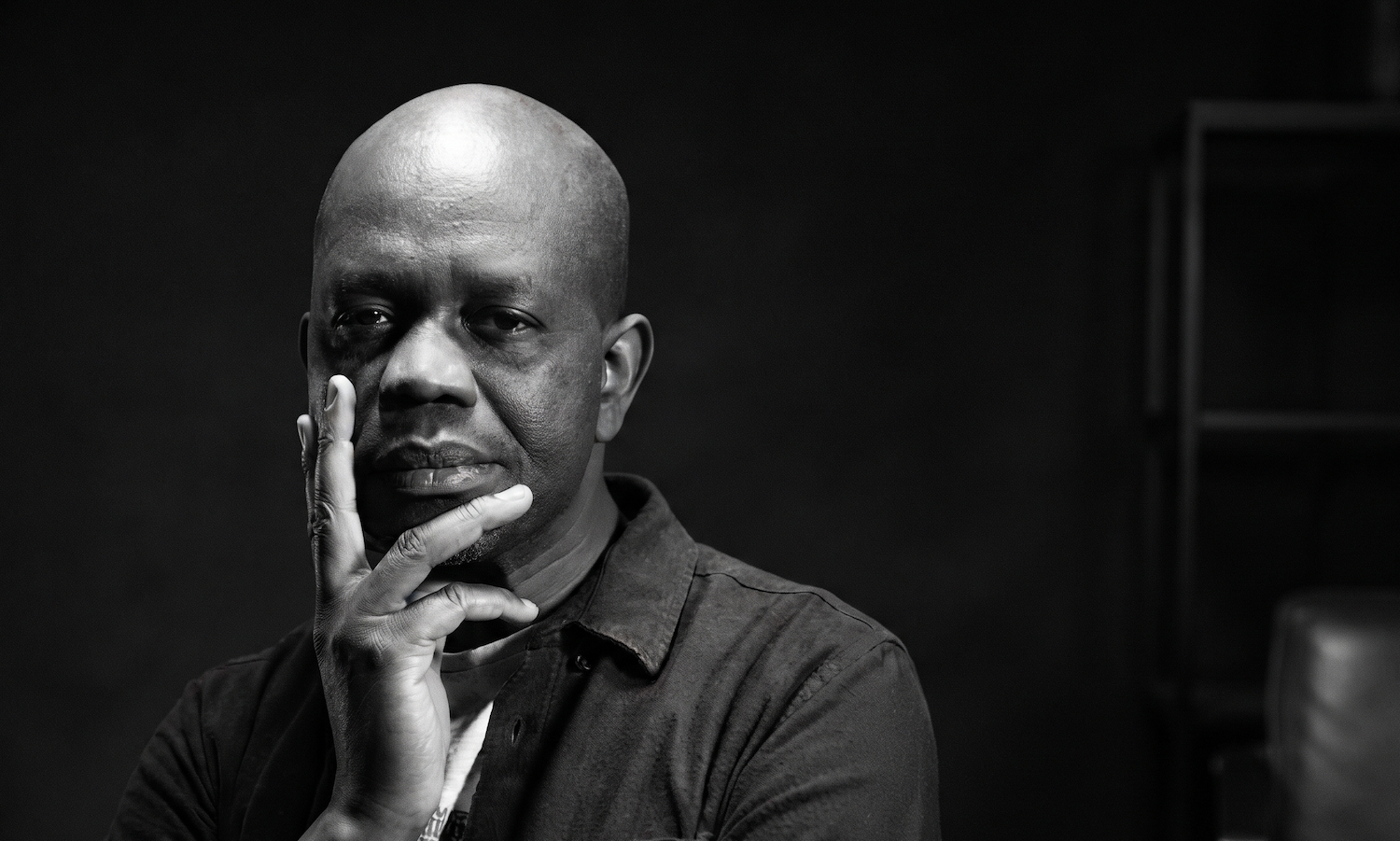
Unstoppable March of the Human Condition: Essays on Politics and Literature by Andrew Chatora is almost pervertedly postmodern writing about writing. Three novels and a novella in, the Britain-based Zimbabwean writer has positioned himself as a man of the left. His new essay collection redoubles his anguish pattern for a fist-in-air moment. Newly available online, with a print release scheduled for November the 3rd, Unstoppable March of the Human Condition finds Mutare-born novelist invested in the problems of craft, as he is in the problems of conviction. I had a backstage pass to Chatora’s desk as a guest contributor and sounding board last year. Although I would have already exhausted my eyeballs on the workflow, I instantly reconnected with the energy once my copy landed.
Affectation stares you in the face, from start to finish, with essay titles like “The Burden of the Writer’s Legacy,” “Who Needs a Writer: There Is More to Writing Than Dollars and Cents,” “Poking the Bear: Artistic Expression as Resistance,” and a sort of elephant in the room titled “Fiction and Hallucination: Generative AI’s Genie out of the Bottle Moment.” Purity of motive is uppermost in Chatora’s long night of the soul. Audience perspectives have a look-in. The man of literature isn’t just weighing his legacy; he must save the holy office from the Philistines.
Unstoppable March of the Human Condition is, nonetheless, a book that’s prepared to break with industry wisdom. Decolonizing the language of African literature? The author is happy with English’s logistical advantages. To prompt or not to prompt? If you are sufficiently a writer, you can use a tool. There are 21 pieces here, all-new essays with a couple of interviews and reprint reviews. You get my opening quip on writing about writing, but you are also dealing with an ideologically crusading book. A similar paradox to when bro country derides Derrida as the dynamite that might just never finish exploding but also caricature him as the father of radical leftist identity politics.
Chatora is from Zimbabwe where university graduates don’t call their language Shona without signing quotes in the air. These days of dynastic revivalism, patrilineal totems that have stayed the same throughout history; the history of the Mutapa Empire – as if a prince is not born of a thousand mother totems – are also up for deconstruction. The tools of différance are buried in the Shona register where “Mother Is Other” so that Derrida’s trace – “the entwinement of the other is the same that make same possible” (Diane Davis, Autozoography) – may be thought of as a mother totem that is different in each genealogical instance.
Purity of motive – Gabriel Okara does not mind the Afrocentric values of his written language as long as his “inside is clean” – has a heavy role for negative operators with respect to geography, language, governance and history. Zimbabwe is currently decolonizing, delinking and deconstructing. In some ways, the rulers of Zimbabwe are also dissociating away from their Afrocentric affordances to become buttonless bellies on creation morning. This dissociation may be the difference between deconstruction and destruction. It is also a digression we can put aside to go back to Chatora and his problems.
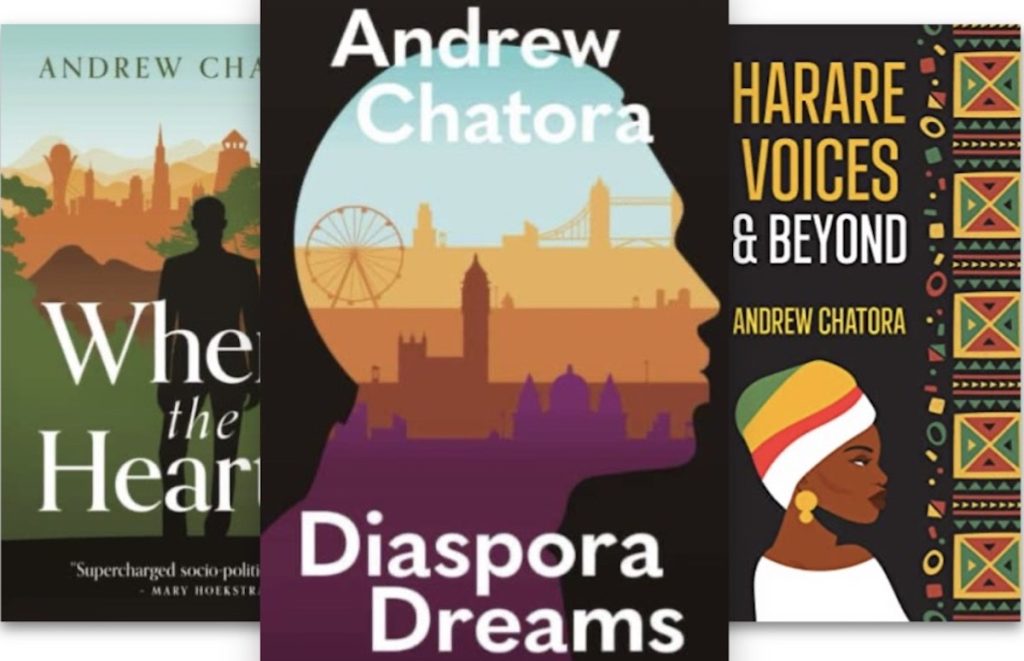
If the Diaspora Dreams author is not championing immigrants in his adopted country, he is probably the only writer crossing floors to taking a second look at race relations back in his country of birth. His award winning 2024 novel Harare Voices and Beyond is unusually written from the viewpoint of former white farmers. This is the first contradiction. What we call representing the people naturally forms a mental picture of a rally, a march, a truth grounded numbers. But what does representing the people mean when dealing in the human business does not always translate to dealing in the popular opinions of history. Unstoppable March of the Human Condition earns its name; it is not the unstoppable march of the popular condition.
The second contradiction concerns my opening observation. For a writer who outfaces for disenfranchised majorities and precarious minorities in three novels and a short fiction collection, Chatora’s essay collection is really writing thinking itself. “Turning to non-fiction as a break, allows writers to reclaim their own narratives from outsider perspectives and to document complex, fast-changing realities, and address urgent socio-political issues,” literary critic Memory Chirere writes in the book’s preface. I identify with Unstoppable March of the Human Condition’s painstaking investment in the image of the writer. You can touch my language, touch my tribe, touch my totem; nobody is touching my writerly snobbery.