
Arts, Culture and Sport
Decolonising gastronomy: The Ghanaian farmers teaching America’s top chefs
When professional food experts from Detroit and Chicago flew to Ghana, they didn’t come to teach. They came to learn the ancestral, climate-resilient agricultural secrets of Aseseeso that no elite Western culinary school could ever hope to teach.

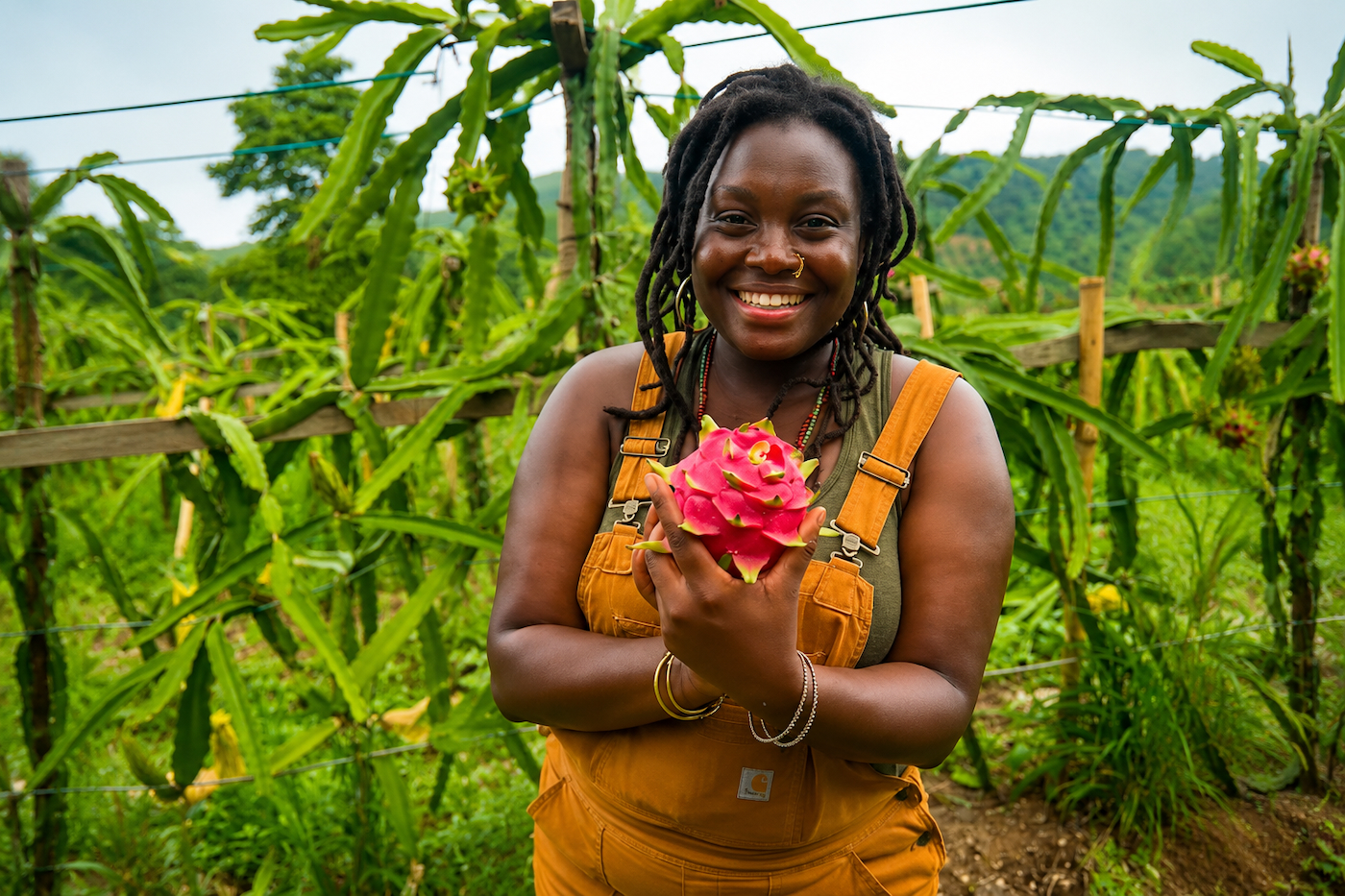
The mainstream culinary narrative has long suffered from a persistent, colonial-era imbalance. For decades, the global North has positioned itself as the teacher, traveling to the global South to “uplift” local systems. However, a quiet revolution in the hills of Aseseeso, in Ghana’s Eastern Region, is turning this dynamic completely on its head.
This June, two highly accomplished Black food professionals from the United States arrived in Ghana. They did not come to host masterclasses or lecture local cooks. They came as students, embarking on a unique two-week residency designed to reconnect the African diaspora with the ancestral agricultural wisdom preserved in Ghana’s soil.
Bridging the Diaspora Through Food
This exchange is the core mission of Plate2Plate, an annual residency curated by Crescendo Foods. Based in Accra, Crescendo Foods holds the distinction of being the first female-owned kitchen incubator on the African continent. Through Plate2Plate, they facilitate a deliberate, physical bridge between the culinary diaspora and West Africa’s indigenous food systems.
The 2026 cohort brought together two formidable agricultural and culinary voices: Sawdayah Brownlee, a seasoned plant steward and food systems educator from Detroit, Michigan, and Martise Dubose, an upscale hotel Sous Chef and Creole pop-up founder from Chicago.
Their journey began with historical grounding in Accra and Cape Coast, visiting sites like Cape Coast Castle and Assin Manso to trace the painful, historical routes that originally severed the diaspora from continental foodways. But the intellectual heart of the residency lay in the soil of Albert’s Havens Farms in Aseseeso.
Soil as the Ultimate Classroom
For three days, the American fellows underwent a rigorous, hands-on farm immersion. They learned traditional irrigation, studied local crop resilience, and cut bamboo poles for cucumber trellising alongside local farm staff. They bargained with market women in local Asenema and Somanya markets, learning the complex, informal logistics of West African food supply chains.

Pictured: Fellows Sawdayah Brownlee and Martise Dubose visiting Kwame Nkrumah Memorial Park | Photo credit: Crescendo Foods
“They never ceased to offer advice and encouragement; their energy was uplifting and their passion for sustainable food systems was palpable,” noted Frank Hagan Brown, owner of Albert’s Havens Farms.
“The knowledge sitting in Ghana’s farms, coastal communities, and food traditions is worth flying across the world to find.”
The residency culminated in a collaborative cooking session with a local caterer in Aseseeso. This was not a demonstration of Western technique, but a multi-directional exchange. The Fellows shared their diaspora perspectives, while the local caterer passed down intuitive, indigenous flavor profiles and preservation methods that exist far outside the boundaries of any formal culinary curriculum.
Reclaiming Indigenous Foodways for the Future
This philosophy of mutual exchange is rooted in Abusua—the Akan concept of family, community, and mutual belonging. It represents a conscious effort to safeguard food systems in the face of global climate challenges. By looking backward to ancestral wisdom, innovators are finding solutions for the future.
“Our programme is more than a culinary exchange; it’s about discovering solutions that have sustained our communities for generations.” — Dr. Wanida Lewis, Founder of Crescendo Foods
“The impact of climate change globally is forcing us to think not only about preserving our food culture but how to celebrate it,” explains Dr. Wanida Lewis, Founder of Crescendo Foods and convener of Plate2Plate. “Our programme is more than a culinary exchange; it’s about discovering solutions that have sustained our communities for generations.”
As the residency concluded at the Abusua Capstone Event in Accra, both Fellows presented signature dishes crafted entirely from the local ingredients they had harvested. By centering continental farmers as the true custodians of agricultural and culinary genius, Plate2Plate is rewriting the script on Pan-African collaboration—one harvest at a time.
Follow This Is Africa on Twitter and Facebook to join the conversation.