
Africans rising
The daughter of Togo and the money they cannot seize
From Sylvanus Olympio’s murder to Farida Nabourema’s resistance, sixty years of monetary politics in one West African country, and what bitcoin has changed.

In January 1963, Sylvanus Olympio, the first democratically elected president of independent Togo, was shot dead outside the United States embassy in Lomé. He was 60 years old. He had been president for two and a half years. He had spent that time pursuing one obsessive goal: pulling Togo out of the CFA franc and establishing an independent national currency. The legislation was drafted. It was days from being signed into law.
He was murdered by French-backed paramilitaries. Among them was a young soldier named Gnassingbé Eyadéma, who would go on to seize the presidency, hold it for nearly four decades, and pass it like family property to his son Faure in 2005. Faure still holds power today. Sixty-three years after Olympio’s death, the CFA franc still circulates in Togo. The murder worked.
This is the historical inheritance of Farida Bemba Nabourema. And it is why she is one of the most important Pan-African voices on Bitcoin alive today.
Her family has been pushing back for three generations. Her grandfather fought against French colonial rule. Her father, Bemba, was imprisoned and tortured under both Eyadémas, first in 1977 for his political work, then severely in 1985, and again in 2003 when Farida was 13. By 15, she was protesting in the streets. By 20, she had founded “Faure Must Go,” a slogan that has since become the name of an entire generation’s resistance. She was forced into exile in the United States, where she lived under threat for some time. Though she eventually returned to Africa, she has lived in exile ever since, unable to return home.

Against the grain: Togo leader resists calls for democratic change. Cartoon: Donisen Donald
She tells the story plainly. Resistance movements need money. The Togolese regime understood this perfectly. So, they began arresting Togolese citizens for the simple act of donating to her movement. Banks froze accounts. Mobile money operators surrendered records. Anyone who sent her organization funds was exposed, traceable, vulnerable. The dictatorship discovered that you do not need to outlaw opposition if you can simply starve it. Cut the financial oxygen and the movement suffocates on its own.
We needed a safe way to send and receive funds for resistance activities
Farida discovered Bitcoin around the same time the regime discovered debanking. The fit was almost too neat. A monetary network that no government can shut down, that requires no permission from the French-backed monetary architecture that governs the CFA zone, that leaves no paper trail through Togolese intermediaries, that settles in seconds across any border. She was not interested in price charts. She was interested in survival. “We needed a safe way to send and receive funds for resistance activities,” she has said. “Linking them to us is going to be costly for their lives.” So she learned. And then she taught. Today, she “very frequently” sends bitcoin into Togo to fund civic resistance, and the regime has not figured out how to stop her.
In 2022, she took the lesson continental. She founded the Africa Bitcoin Conference (ABC), now in its fourth year, which gathers Bitcoiners from over forty African countries and the African Diaspora each December. The ABC is not a finance event. It is a school for the slow, patient work of building peer-to-peer African economic infrastructure beyond state control. The “Bitcoin For Youngsters” program she runs alongside it has trained more than 3,000 students. The architecture she is building looks less like a fintech and more like a Pan-African mutual aid network.

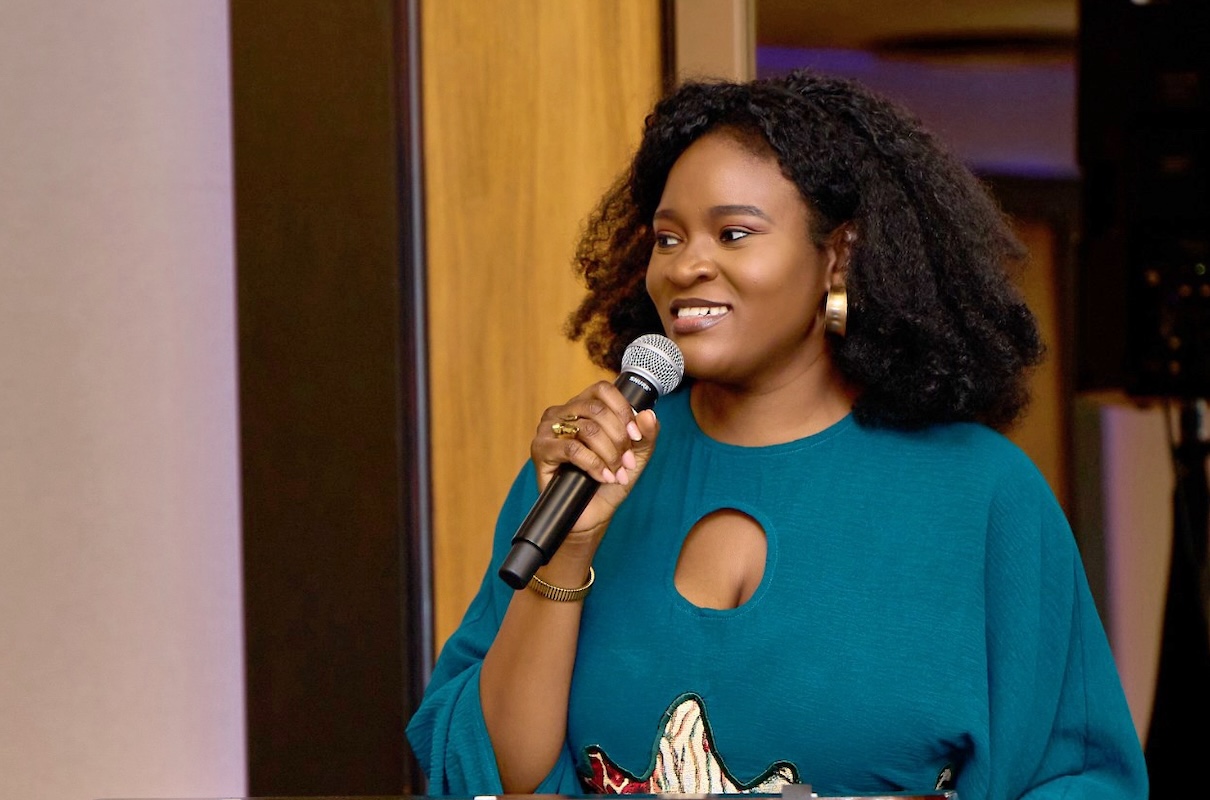
Farida Bemba Nabourema. Photo credit: Farida Bemba Nabourema/Facebook
We should be honest about what this story does and does not prove. Bitcoin did not free Togo. The Gnassingbé regime is still in power. Farida is still in exile. The CFA franc that Olympio died trying to escape still circulates. The grandchildren of the people who clapped for Eyadéma every morning at the presidential palace are still subject to the same monetary architecture. So no, Bitcoin is not deliverance.
What Bitcoin has changed is the cost of resistance. For the first time in sixty years, a Togolese democracy movement can be funded, supplied, and sustained without permission from the very state it is trying to reform. That is not nothing. In a continent where governments routinely freeze opposition accounts, surveil mobile money, and prosecute donors as criminals or foreign agents, a financial rail outside state control is not a luxury. It is, in the most literal sense of the word, freedom infrastructure.
Olympio could not have imagined Bitcoin. But he understood the principle exactly. Monetary independence is not separate from political independence. It is the foundation of it. Sixty-three years after they shot him in Lomé, his project is finally finding its rails. They are being laid by a young woman from his country, in exile, one transaction at a time.
Follow This Is Africa on Twitter and Facebook to join the conversation.


