
Arts, Culture and Sport
Mali Twist: The largest ever exhibition of Malian photographer Malick Sidibé’s work
Fondation Cartier in Paris, France pour l’art contemporain presents Mali Twist*, the largest ever solo exhibition of works by the renowned Malian photographer Malick Sidibé, known as the Eye of Bamako. Fondation Cartier is staging the largest ever exhibition of Sidibé’s work, which includes over 300 images taken from the early 1960s to 80s.

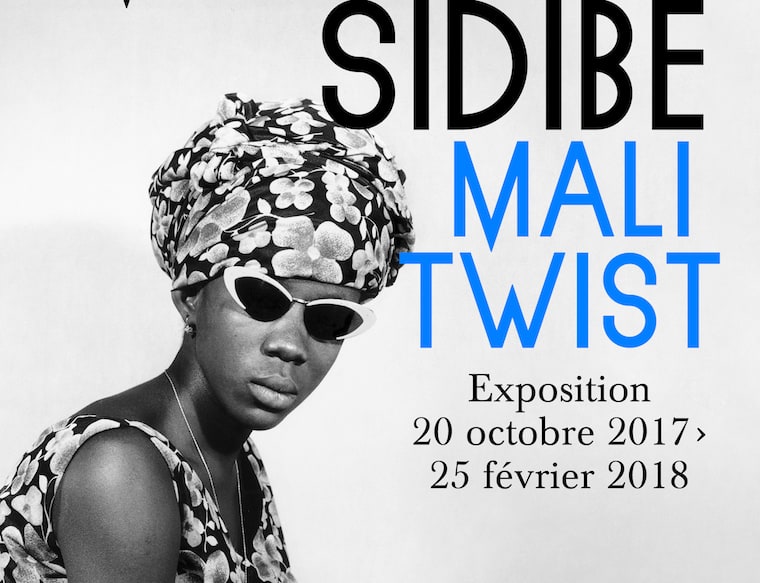
Known as the Eye of Bamako, Malick Sidibé started his work in the years after Mali gained independence from France. Sidibé would capture black-and-white studies of popular culture, the countries vitality and verve through photographs of its youth.
Commenting on the early days, he is quoted saying of the time, “We were entering a new era, and people wanted to dance. Music freed us. Suddenly, young men could get close to young women, hold them in their hands. Before, it was not allowed. And everyone wanted to be photographed dancing up close.”
Now, a year after his death, the Fondation Cartier in Paris is staging the largest ever exhibition of his work, including over 300 images taken from the early 1960s to 80s from 20th October 2017 to 25th February 2018.
I was at @Fond_Cartier earlier this week. If you are in the area, go check the Malick Sidibé exhibition. Really energetic! pic.twitter.com/PRrd4e6E1m
— Quentin Delcourt ~ @kant@octodon.social (@kant312) November 5, 2017
Read: Remembering Malick Sidibé: 1936-2016
By the 1990s Sidibé’s work had gained attention outside Africa and in 1995, the Fondation Cartier pour l’art contemporain was the first to give him a solo show outside the continent. A large part of this current exhibition is devoted to the Bamako soirées, which forged his reputation as “reporter of the youth.”
In these photographs, couples intertwine, dancers vie to outdo one another in elegance, and pose or sway their hips to the sounds of twist, rock ‘n’ roll and Afro-Cuban music. The ensemble is made complete by the folders which Sidibé designed in order to sell to clients after the soirées.

“Young man with bell bottoms, bag and watch.” By Malick Sidibé. Photo Credit Flickr
His work has been the subject of a number of publications and exhibits throughout Europe and the United States. In 2007, he received a Golden Lion Award for Lifetime Achievement at Venice Biennale, becoming both the first photographer and the first African so recognized. Other awards he received included a Hasselblad Award for photography, an International Center of Photography Infinity Award for Lifetime Achievement, and a World Press Photo award. Sidibé’s work is held in the collections of The Contemporary African Art Collection (CAAC), the J. Paul Getty Museum in Los Angeles, and the Museum of Modern Art in New York.
Read: Why is Mali still under French protection, 57 years after independence?
Robert Storr, the Golden Lion Award for Lifetime Achievement artistic director, said at the time: “No African artist has done more to enhance photography’s stature in the region, contribute to its history, enrich its image archive or increase our awareness of the textures and transformations of African culture in the second half of the 20th century and the beginning of the 21st than Malick Sidibé.”
Exposition Mali Twist #MalickSidibe @Fond_Cartier pic.twitter.com/noPmvPFT9Y
— Xavier Lamarre (@x_lamarre) November 7, 2017
The exhibition title comes from 1963 song by Malian singer and guitarist Boubacar Traoré, and the Fondation Cartier pour l’art contemporain has invited Malian artists, musicians, and thinkers to stage Concerts, popular balls, traditional puppets, mobile photo studio, and meetings around music and dance will punctuate the exhibition as many projects and voices that echo the happiness that Malick Sidibé’s photographs inspire. Mali Twist has been conceived and curated by André Magnin, who specializes in promoting non- western contemporary art.


